EXPLORE MADURAI & BEYOND

A Cultural Journey for WRC 2025 Delegates

Explore Tamil Nadu’s Soul

Before or After WRC 2025!

Madurai is a proud symbol of Tamil identity and civilization, with roots tracing back over 2,500 years. As the capital of the ancient Pandya dynasty and home to the famed Sangam assemblies, it nurtured classical Tamil literature, language, and values that still resonate today.

The city's vibrant soul is anchored by the Meenakshi Amman Temple, while its spirit comes alive through traditions like Jallikattu—the age-old bull-taming sport that reflects Tamil valor and agrarian pride. Madurai is where Tamilar culture breathes freely—in temple rituals, poetic expressions, jasmine-laced markets, and street-side kolams.

Festivals like Chithirai Thiruvizha unite mythology and community, while regional arts, Sungudi textiles, and cuisine reflect generations of creativity. More than a destination, Madurai is the living heart of Tamil heritage, fiercely rooted, culturally rich, and timeless in its essence.

Madurai Spiritual & Heritage Core

Explore the timeless essence of Tamil civilization through majestic temples, royal palaces, sacred hills, and ancient Jain sites. This cluster showcases Madurai’s spiritual depth, rich architecture, and living traditions rooted in faith, poetry, and culture.

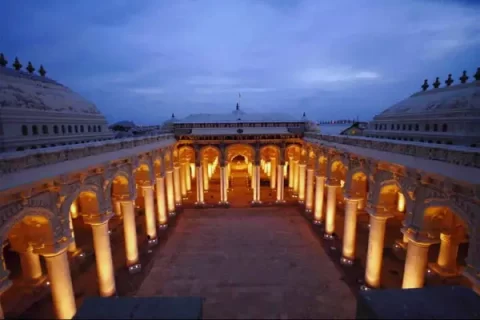
Thirumalai-Nayak-Palace
Kanyakumari(waves)

South Coastal Pilgrimage & Wonders

Journey along Tamil Nadu’s sacred coastline—from the divine corridors of Rameswaram to the haunting beauty of Dhanushkodi and the southern sunrise at Kanyakumari. This trail is a soulful blend of devotion, mythology, and natural wonder.

Hill & Cultural Retreat

Discover serene hill stations, heritage villages, and archaeological marvels. From the misty slopes of Kodaikanal to the majestic Chettinad mansions and Keeladi’s ancient ruins, this cluster offers culture, nature, and history in perfect harmony.

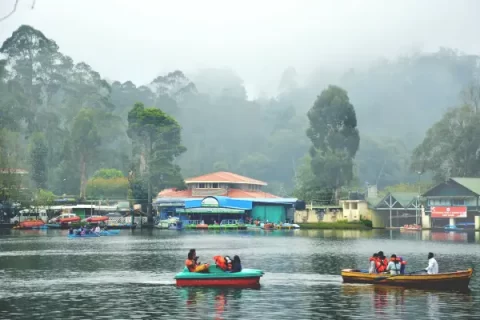
kodai
Meenakshi inner
Meenakshi lily pond

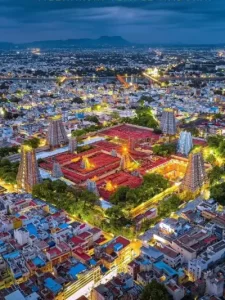
Meenakshi Amman Temple

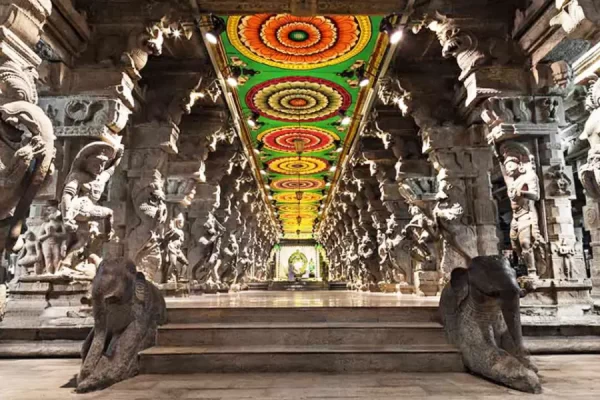
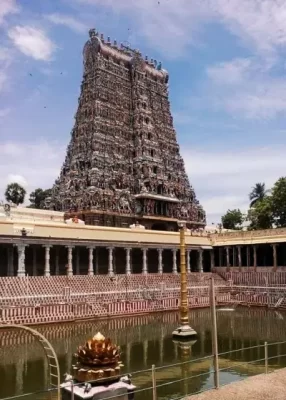
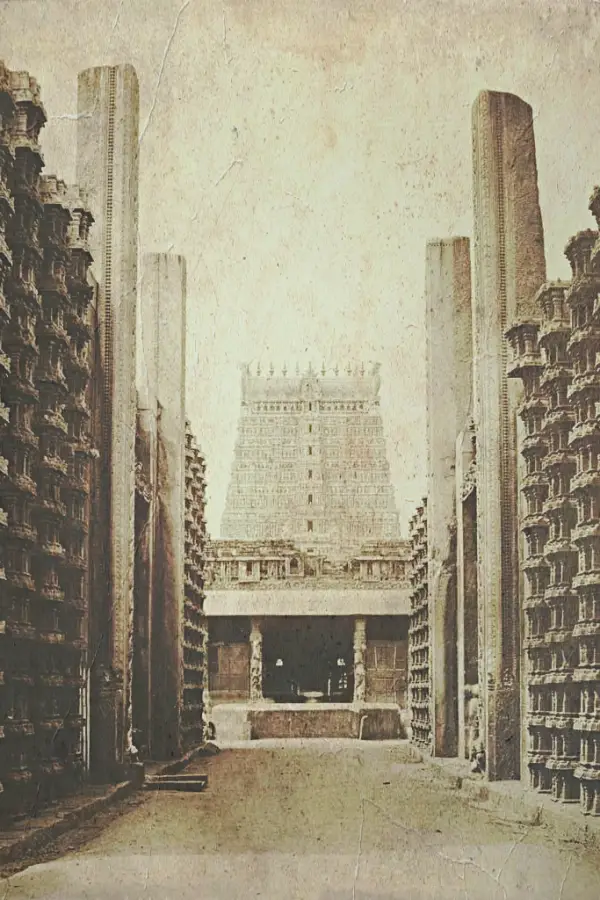
Cultural Significance: The heart of Madurai and one of India’s most majestic living temples, the Meenakshi Amman Temple is a 2,500-year-old architectural marvel dedicated to Goddess Meenakshi (a form of Parvati) and Lord Sundareswarar (Shiva).

Heritage: Built and expanded across centuries—especially by the Nayak dynasty—it features 14 towering gopurams richly adorned with over 33,000 colorful sculptures. It’s not just a place of worship but a living gallery of Tamil iconography, mythology, and artistic mastery.

Experience: Witness daily rituals, the golden lotus pond, and vibrant temple corridors buzzing with devotion. The Chithirai Festival in April–May draws lakhs of devotees in a dramatic reenactment of Meenakshi’s celestial wedding.

Distance: 0 km.

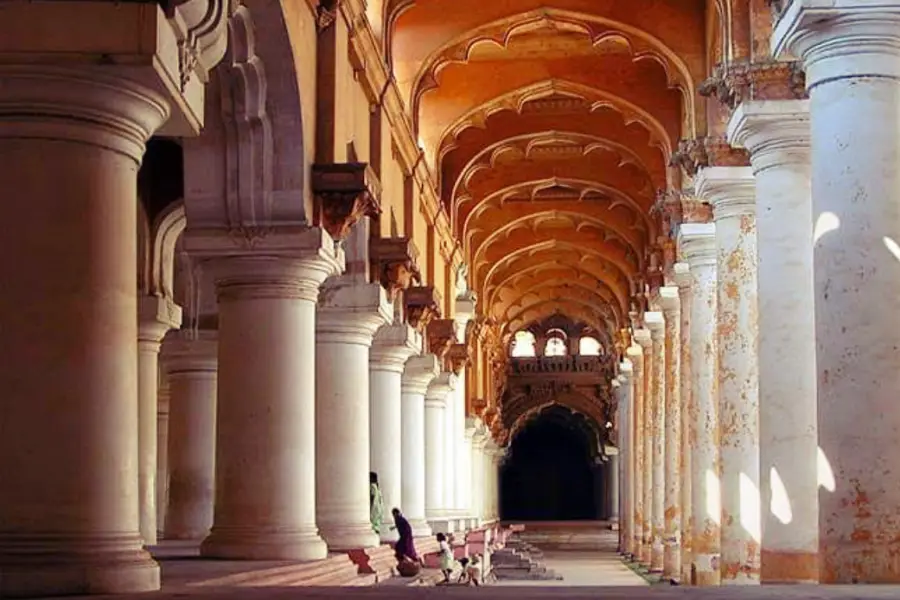
Thirumalai Nayakkar Mahal

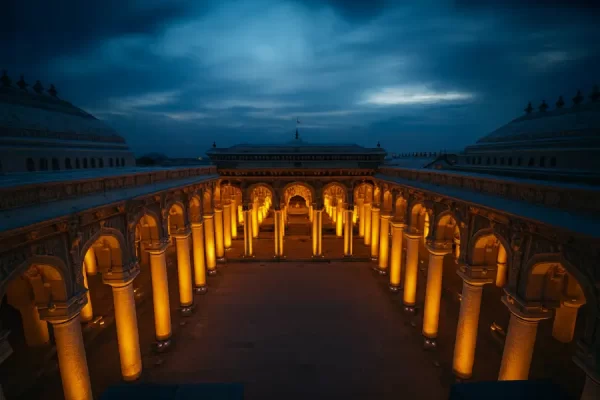
Historical Backdrop: This Indo-Saracenic palace was built in 1636 by King Thirumalai Nayak, blending Dravidian and Islamic architecture.

Highlights: Explore the massive courtyard, grand white pillars (some over 25 feet tall), and the majestic throne room. The evening sound-and-light show narrates the glory of the Nayak rule and the grandeur of Madurai’s past.

Distance: 1.5 km.

Thirumalai Naicker Mahal
vandiyur Teppakulam

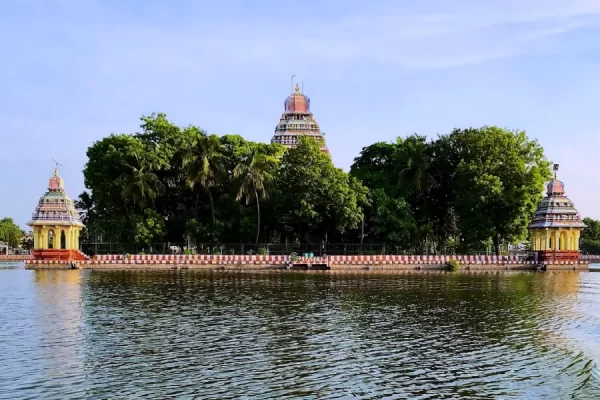
Vandiyur Mariamman Teppakulam

Spiritual & Cultural Center: This is the largest temple tank in Tamil Nadu, built in 1646. It is intricately linked to the Meenakshi Temple.

Festive Glory: During the Teppam Festival (Float Festival), deities are paraded in decorated floats across the tank—a spiritual spectacle reflecting Tamil Nadu’s devotion and theatrical traditions.

Distance: 5 km.

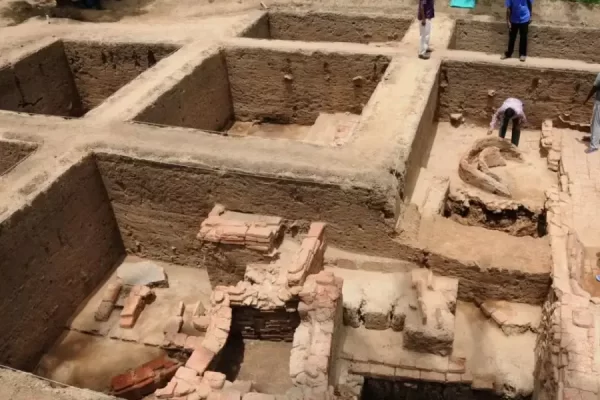
Keeladi Excavation Site

Archaeological Wonder: Keeladi is a window into the Sangam-era civilization (circa 600 BCE – 300 CE), revealing an urban, literate, and trade-savvy Tamil society.

Discoveries: Excavations unearthed terracotta roof tiles, pottery with Tamil-Brahmi inscriptions, spinning tools, beads, and evidence of water management—suggesting a sophisticated ancient culture that rivaled Harappan urbanism.

Legacy: The site reshapes our understanding of Tamil history, affirming that the Vaigai river nurtured one of the oldest urban civilizations in the world.

Distance: 13 km

Keeladi
Thirupparankundram

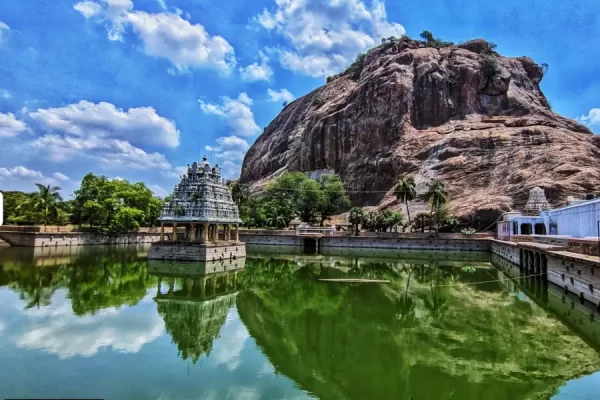
Thiruparankundram Murugan Temple

Sacred Legacy: This is one of the six holiest abodes (Arupadai Veedu) of Lord Murugan. Carved into a hill, the temple dates back to the 6th century and blends Shaivite, Vaishnavite, and Jain traditions.

Uniqueness: The sanctum is set deep within the rock. Lord Murugan’s marriage to Deivanai, celebrated here, is a key episode of Tamil devotional lore.

Distance: 8 km.

Alagar Kovil & Pazhamudircholai

Alagar Kovil: A majestic hill temple dedicated to Lord Vishnu (Kallazhagar), revered in Vaishnavite Tamil hymns. During the Chithirai festival, the deity 'rides' into Madurai, drawing massive crowds.

Pazhamudircholai: Nestled in lush forest hills, it’s a sacred shrine to Lord Murugan. Surrounded by fruit trees, the temple is known for its peaceful vibe and deep spiritual connection.

Distance: 21 - 25 km.

alagar Kovil
WRC 2025 - Gangaikonda Cholapuram

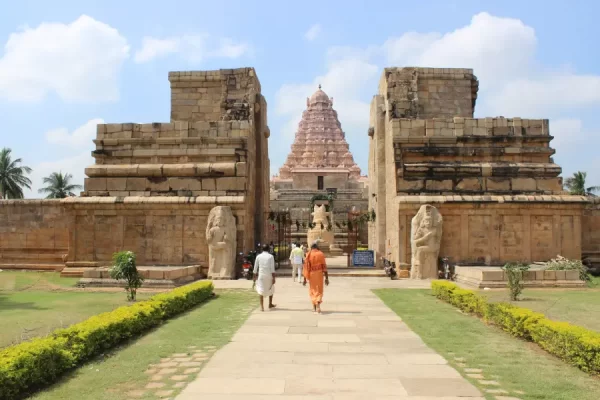
Gangaikonda Cholapuram

Monumental Legacy:

Built in the 11th century by the mighty Chola emperor Rajaraja Chola II, Gangaikonda Cholapuram served as the imperial capital for over 250 years. The temple here was envisioned as a southern counter to the Brihadeeswarar Temple in Thanjavur, reflecting the zenith of Chola architecture, engineering, and devotion.

  • It is a UNESCO World Heritage Site and one of the “Great Living Chola Temples”
  • The temple tower stands 182 feet tall—slightly shorter but more ornate than its Thanjavur counterpart
  • The inner sanctum houses a 13-feet tall Shiva Lingam, one of the largest in India

.Distance: 236 km. | 3:45 hrs by road

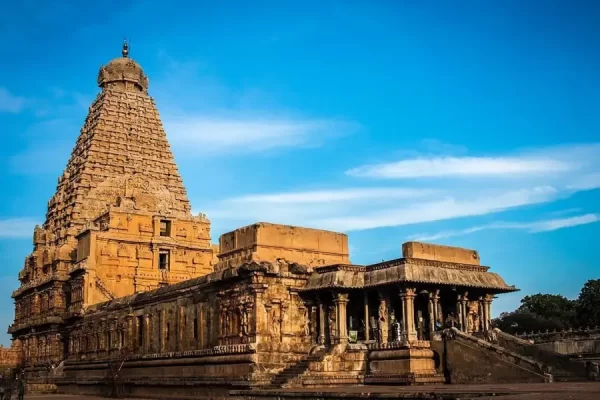
Brihadeeswara Temple

A UNESCO World Heritage Marvel

Built in 1010 CE by the legendary Raja Raja Chola I, Brihadeeswarar Temple — also known as Periya Kovil — is one of the most iconic and majestic temples in India. It stands as a testament to the power, precision, and artistic brilliance of the Chola Empire.

  • Declared as one of the “Great Living Chola Temples” by UNESCO
  • Constructed entirely out of granite, despite there being no granite quarries nearby — a true feat of ancient engineering
  • Towering 66 meters (216 feet) Vimana (temple tower) — one of the tallest in the world and carved from a single granite block

Distance: 185 km | 3 hrs by road

Tanjore
vaigai

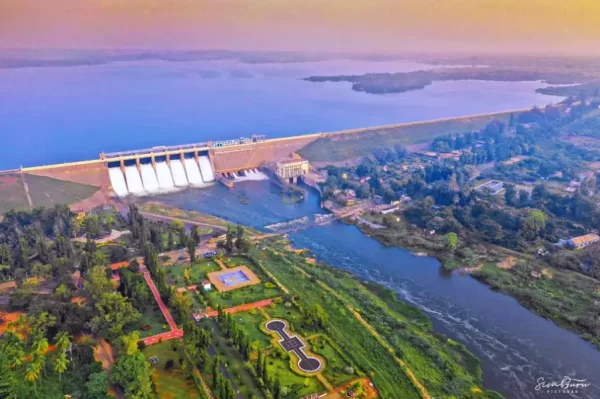
Vaigai Dam

Engineering Meets Nature: Built in 1959, this dam on the Vaigai River supports agriculture across the Madurai region.

Recreation: The dam area includes a garden, park, and boating facilities, and is especially scenic during monsoon and post-monsoon months. An ideal stop for nature lovers and photographers.

Distance: 70 km.

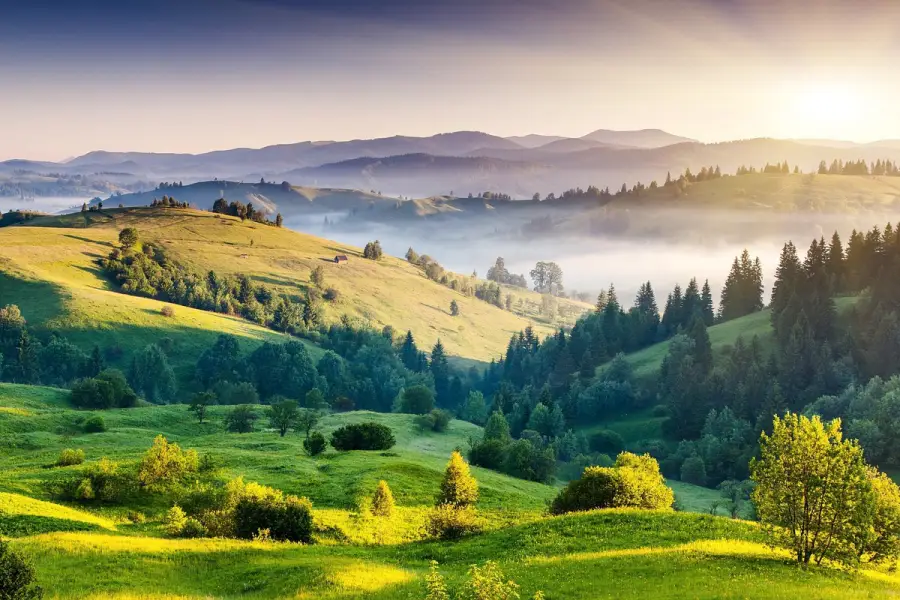
Kodaikanal

The “Princess of Hill Stations”: At 7,000 feet above sea level, Kodaikanal is a charming hill station built during British colonial rule as a retreat from the southern plains' heat.

Experiences:

  • Walk along Coaker’s Walk for misty mountain views
  • Cycle or boat in Kodaikanal
  • Lake Trek to Pillar Rocks and Silver Cascade Falls
  • Visit the Kurunji Andavar Temple, known for the rare Kurinji flower blooming every 12 years

Culture: Kodaikanal blends Tamil tribal heritage, colonial cottages, and eco-tourism in a cool, forested retreat.

Distance: 115 km | 3 hrs by road

WRC - Kodaikanal
South Coastal Pilgrimage

Kanyakumari

(Vivekananda Rock & Thiruvalluvar Statue)

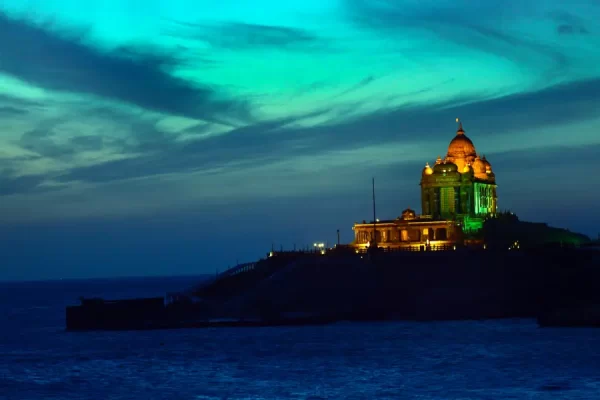
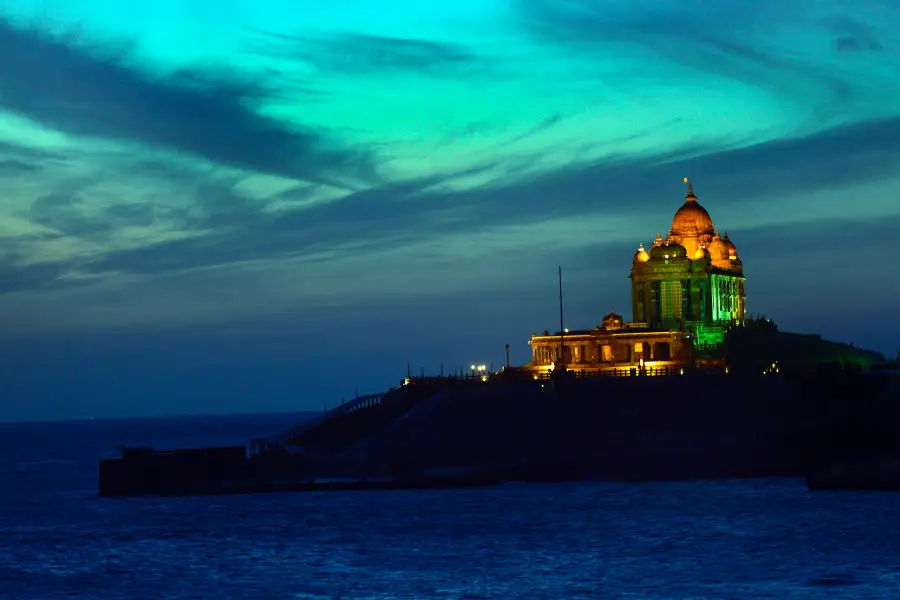
Spiritual Meeting Point of Three Seas: Located at the southernmost tip of mainland India, Kanyakumari is where the Bay of Bengal, Arabian Sea, and Indian Ocean meet.

Vivekananda Rock Memorial: Built in 1970 to honor Swami Vivekananda's spiritual awakening in 1892. It’s a pilgrimage for those inspired by India’s renaissance in thought and nationalism.

Thiruvalluvar Statue: A 133-ft-high stone sculpture representing 133 chapters of the Tamil classic Thirukkural. It is a monumental ode to Tamil wisdom and philosophy.

Sunrise & Culture: Kanyakumari is famed for its surreal sunrises, rich Tamil coastal heritage, and the legacy of maritime trade and spirituality.

Distance: 245 km | ~6 hrs

Rameshwaram

The Varanasi of the South

Sacred Island of Myth & Moksha: Rameshwaram is one of the Char Dham pilgrimage sites in India and a key place in Ramayana legends. It’s believed that Lord Rama built a bridge (Adam’s Bridge or Ram Setu) from here to Lanka to rescue Sita.

Highlights:

Ramanathaswamy Temple: Home to the longest temple corridor in Asia, this magnificent Dravidian-style temple is dedicated to Lord Shiva. Pilgrims perform ritual sea baths at the 22 sacred wells inside the temple.

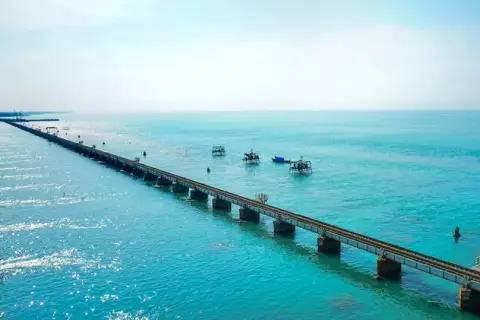
Pamban Bridge: India’s first sea bridge, offering dramatic views of the Gulf of Mannar. A marvel of engineering and spirituality.

Agnitheertham: A beach near the temple where pilgrims perform rites for ancestors.

Cultural Touch: The temple rituals here blend Vedic and Agamic traditions, and the entire town exudes a deeply meditative energy.

Distance: 170 km | ~3.5–4 hrs by road

Rameshwaram
Dhanuskodi

Dhanushkodi

The Ghost Town by the Sea

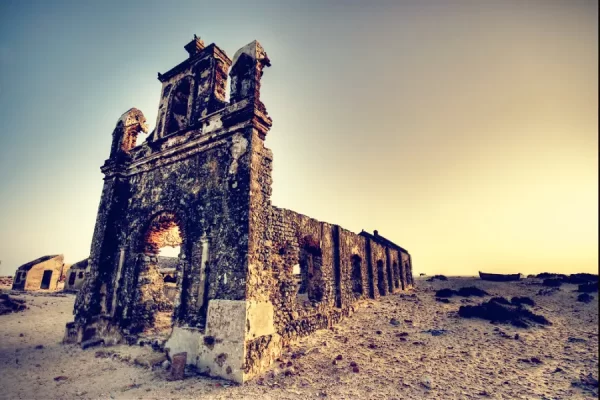
Where the Land Ends: Once a bustling town, Dhanushkodi was destroyed in the 1964 cyclone. Today, its haunting beauty makes it one of India’s most surreal destinations.

Experience: Stand at Land’s End, where the Bay of Bengal meets the Indian Ocean. Visit the ruins of the old railway station, church, and customs office, still standing as skeletal reminders of nature’s force. Ram Sethu

Viewpoint: Believed to be the starting point of the mythical bridge to Lanka.

Why Visit: A place of silence, stories, and reflection, it is a pilgrimage for both spiritual seekers and photographers.

Distance: 183 km | 12 km from Rameswaram

Samanar Hills

Jain Heritage Site

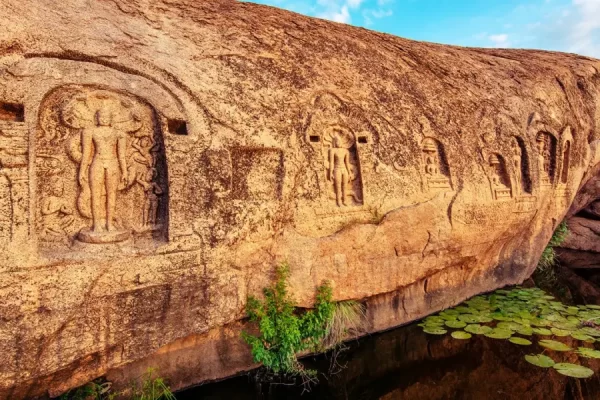
Ancient Jain Monastic Caves: Carved into rocky terrain, these hills were once a flourishing spiritual center for Jain monks during the 1st century BCE.

What You’ll See: Rock-cut sculptures of Tirthankaras, Jain beds, and Tamil-Brahmi inscriptions. Pechi Amman Temple, blending tribal devotion with historical significance. Panoramic views of the Madurai skyline and countryside.


Legacy: A testimony to Madurai’s pluralistic spiritual history, Samanar Hills reflect Jainism’s contribution to Tamil culture and ascetic heritage.

Distance: 10 km from Madurai

samanar-hills
Chettinad

Chettinad - Karaikudi

Land of Palaces & Culinary Royalty

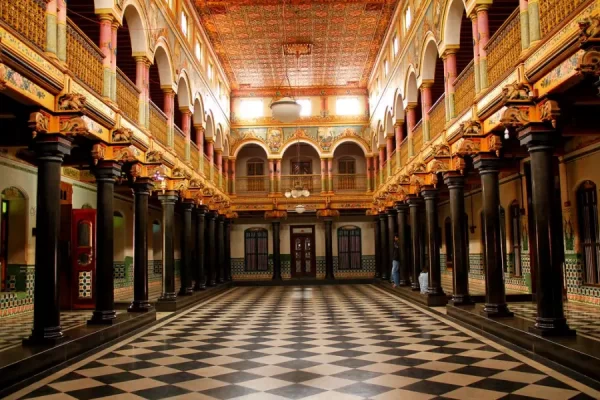
Cultural Elegance: The Chettinad region (esp. Karaikudi) is famous for its majestic mansions, built with Burma teak, Italian marble, and European tiles by 19th-century Chettiar traders.

Experience: Explore opulent Chettinad palaces Try authentic Chettinad cuisine, known for its bold spices and flavors Visit Athangudi tile factories and artisan villages

Why Visit: Ideal for architecture lovers, foodies, and heritage travelers.

Distance: 90 km | ~2 hrs

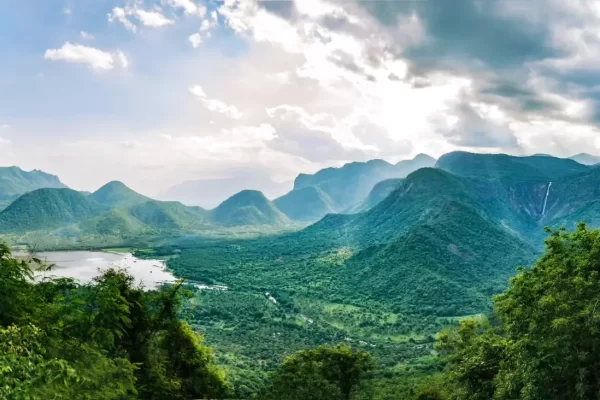
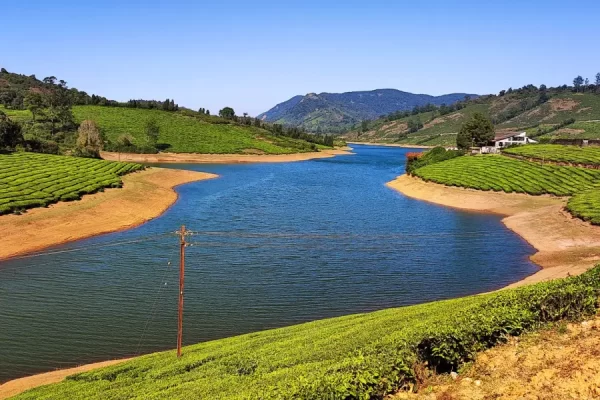
Megamalai

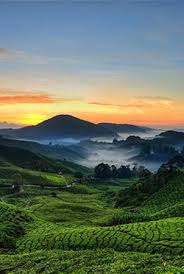
Untouched Hill Escape: Nestled in the Western Ghats, this is Tamil Nadu’s hidden gem. Lush green hills, tea plantations, rare wildlife, and pristine air.

Highlights: Wildlife sightings in Meghamalai Wildlife Sanctuary Serene waterfalls and trekking trails Tea estate tours

Why Visit: Ideal for offbeat travelers, bird watchers, and those looking for a calm nature retreat.

Distance: 130 km | ~3.5 hrs

megamalai

Travel Package

Our Proud Partners